









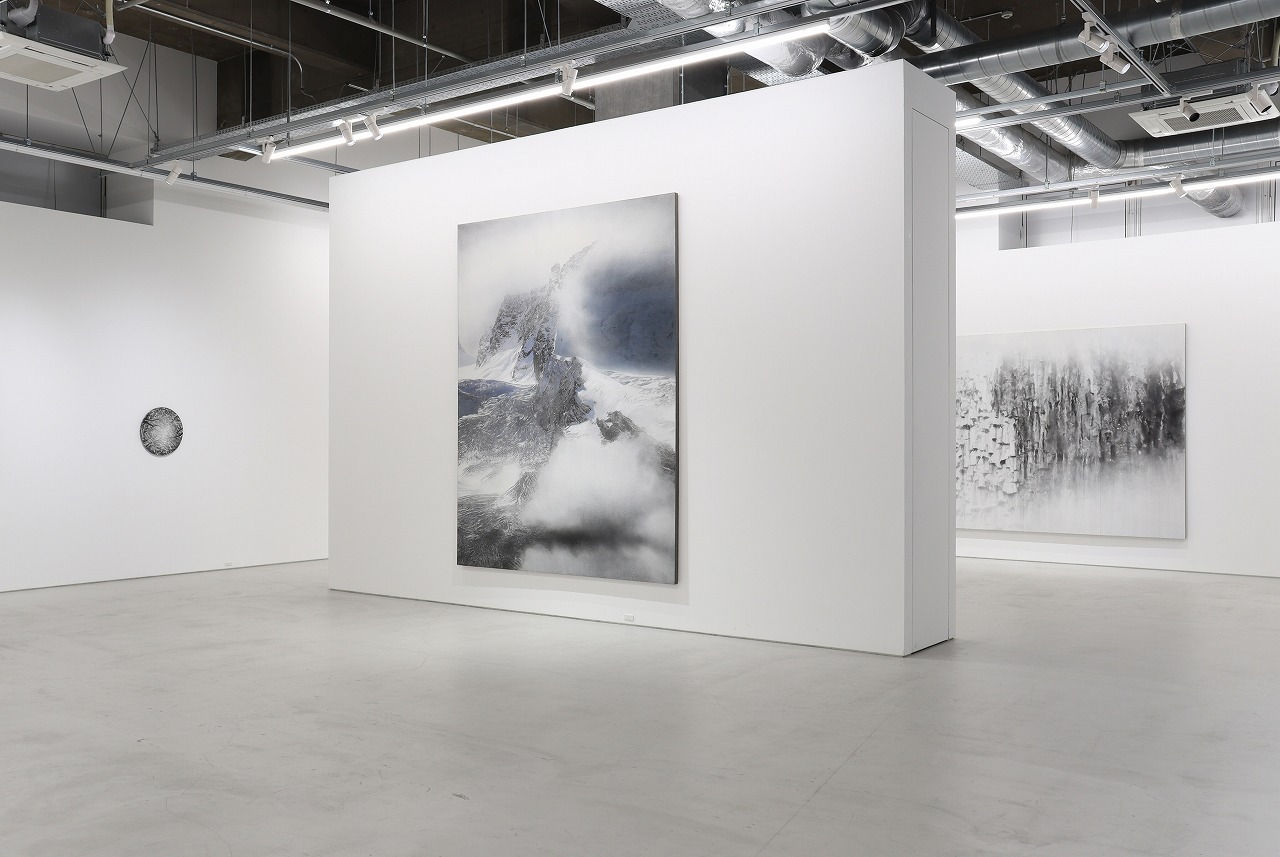
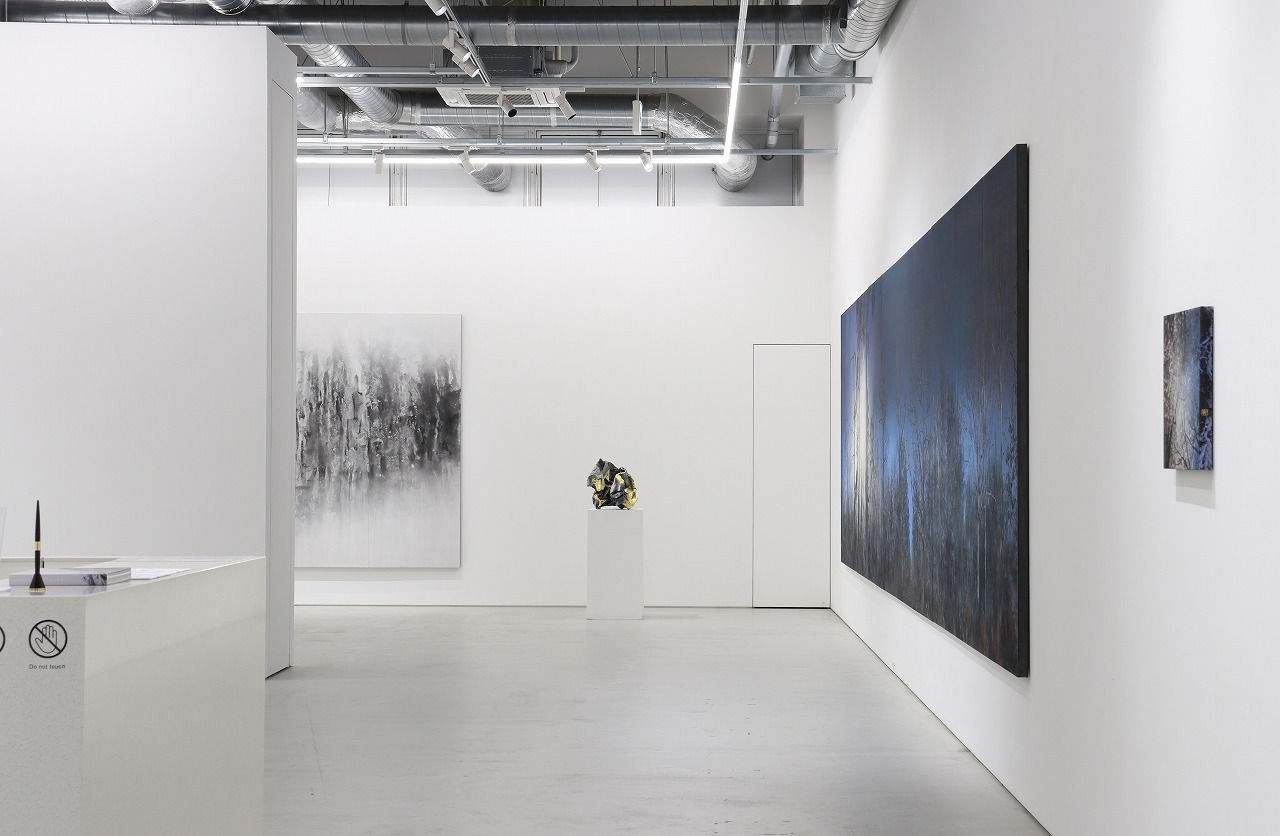
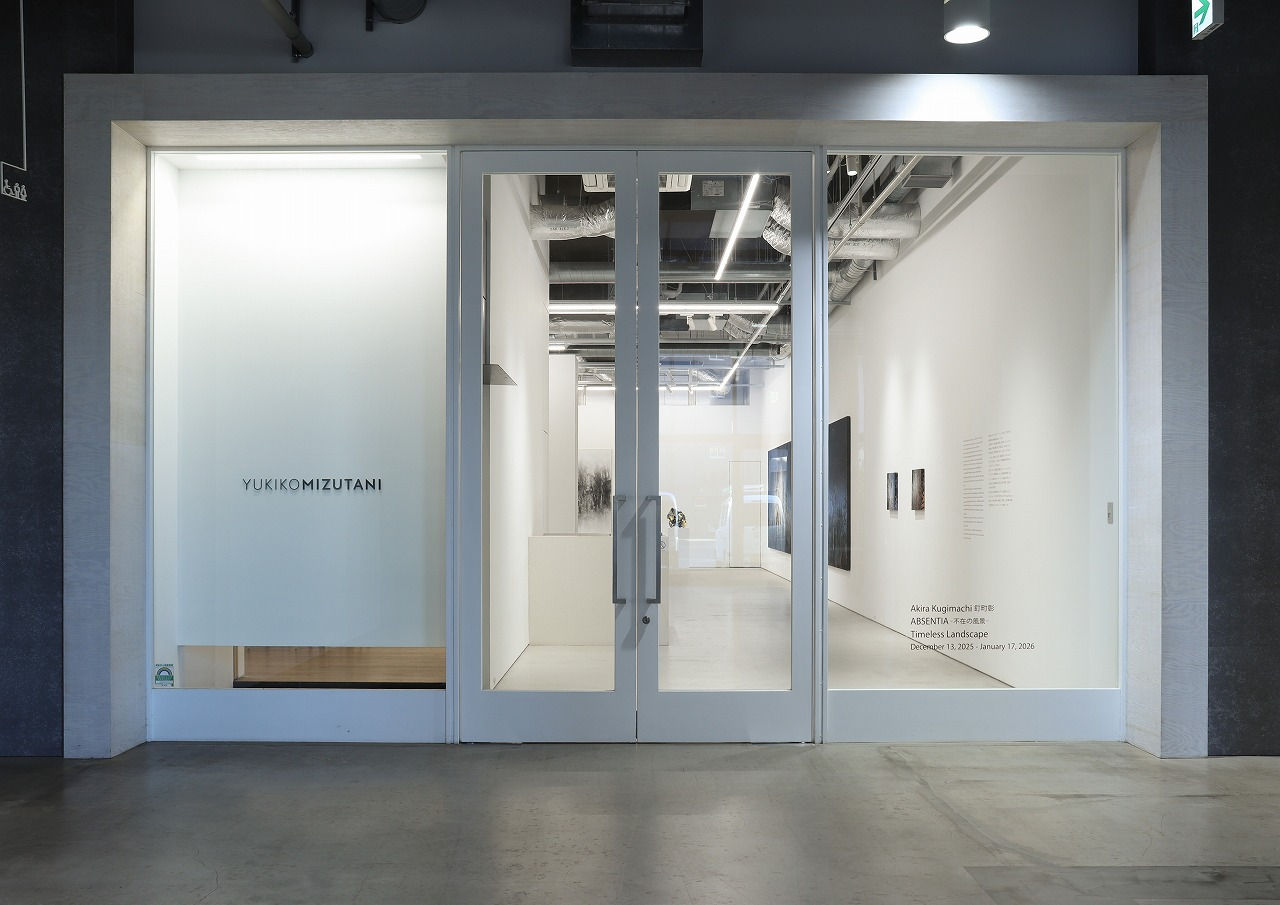

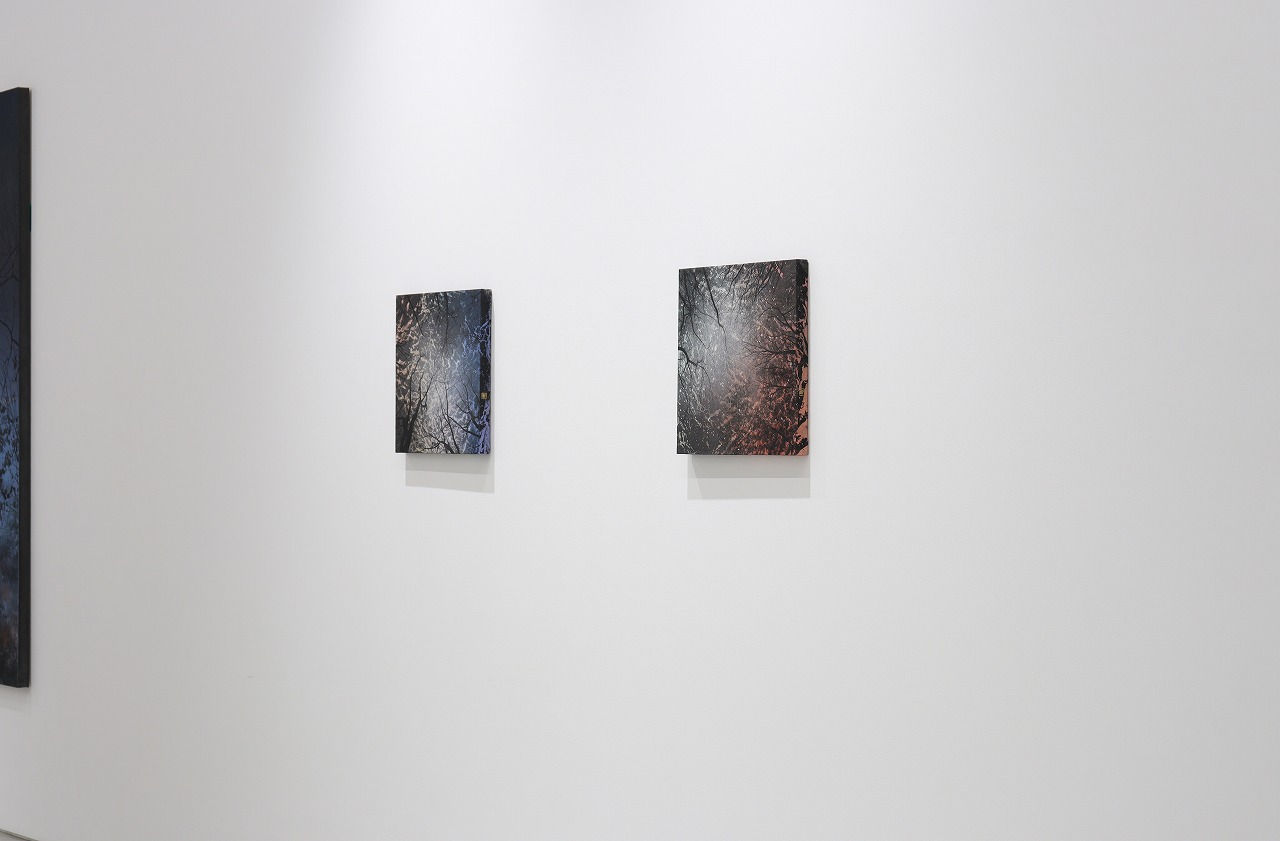

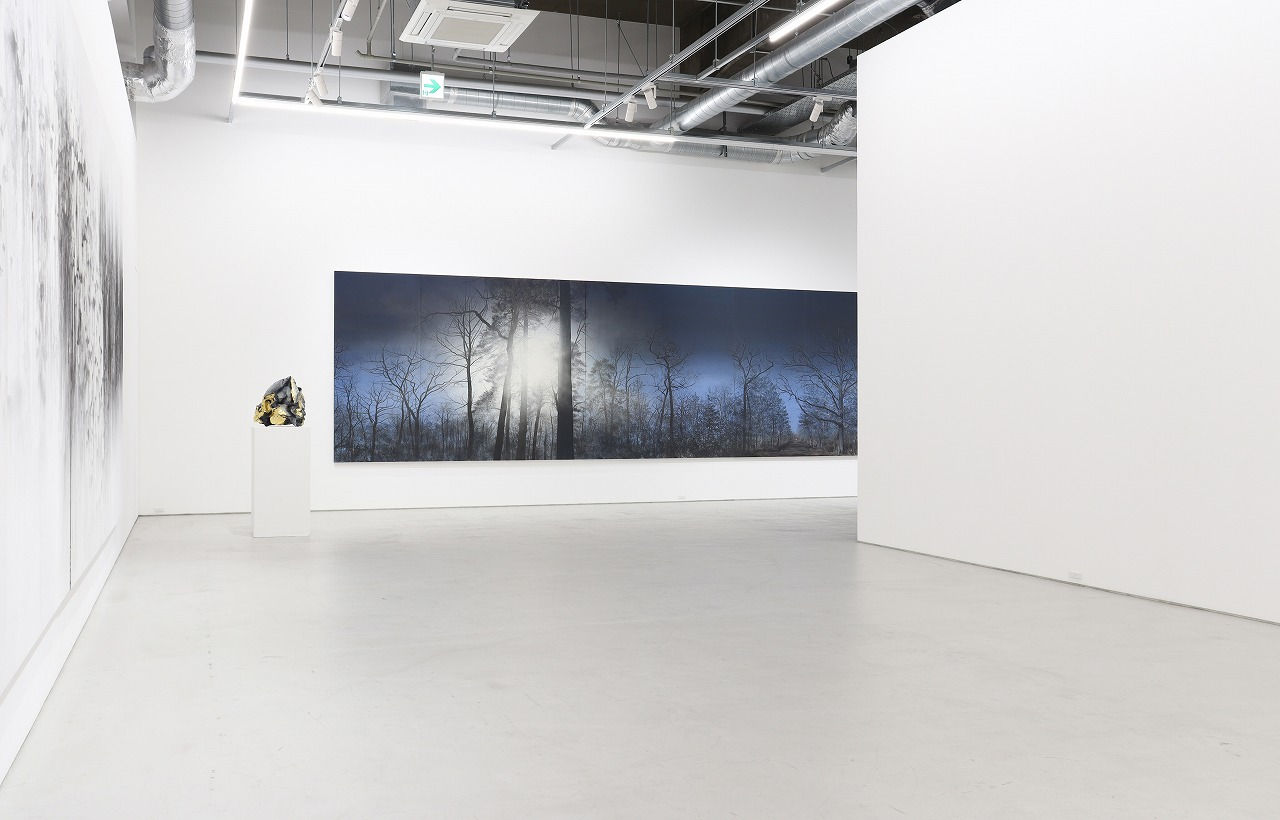


"Absentia"
YUKIKOMIZUTANI / Tokyo,Japan/ 2026
2025.12.13 [sat] – 2026.1.17 [sat]
冬季休廊 2025.12.27 - 2026.1.5
Artist Statement
“Everything is repeated, and everything returns. Only that moment belongs to us.”
Andrei Tarkovsky cites this line from a poem by his father, Arseny Tarkovsky, in Nostalgia. If we understand his words as suggesting that the existence of time is cyclical—pointing to the ephemerality of life and an eternal present—they resonate with the foundations of Eastern philosophy expressed by Daisetsu Suzuki and Kitaro Nishida: that the ceaseless ebb and flow of life and death ultimately constitutes eternal life, and that the absolute “now” is itself infinite time.
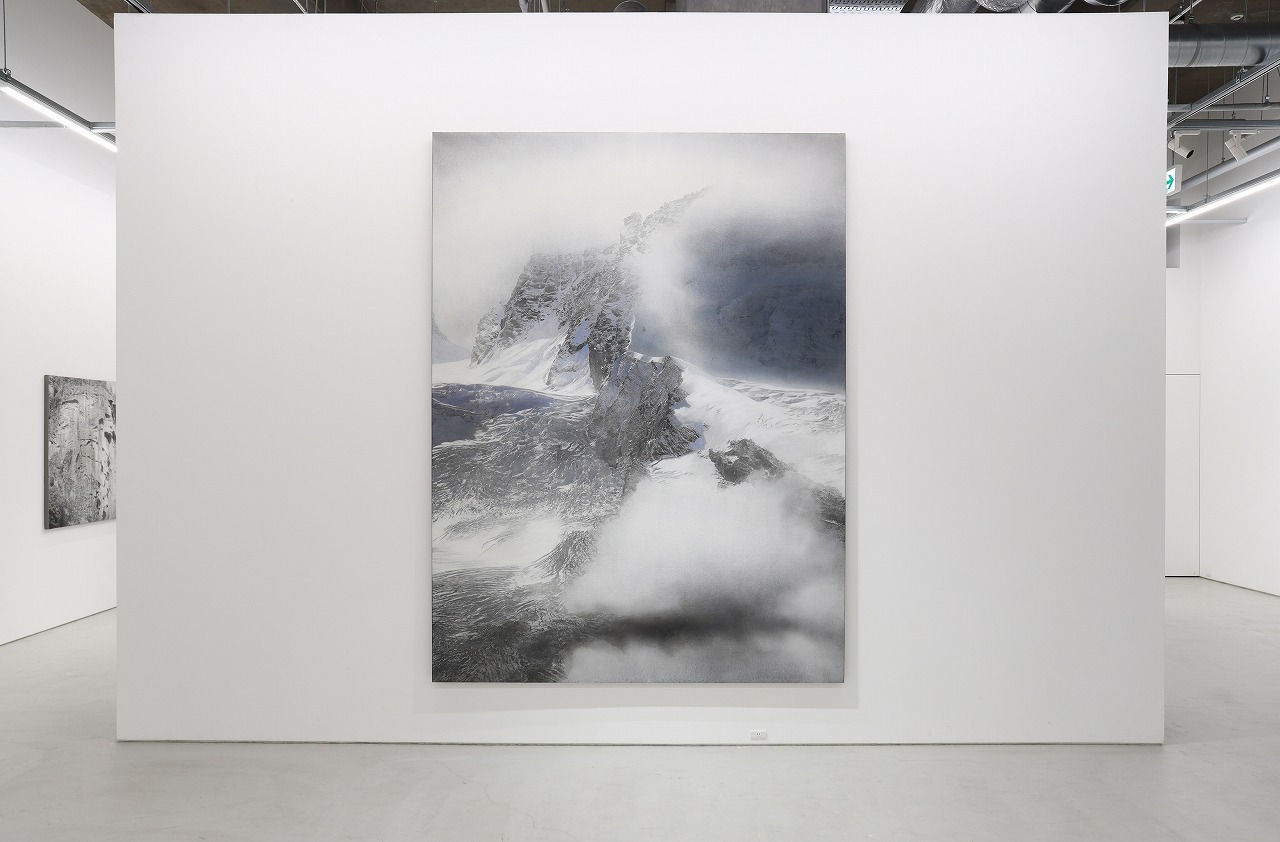
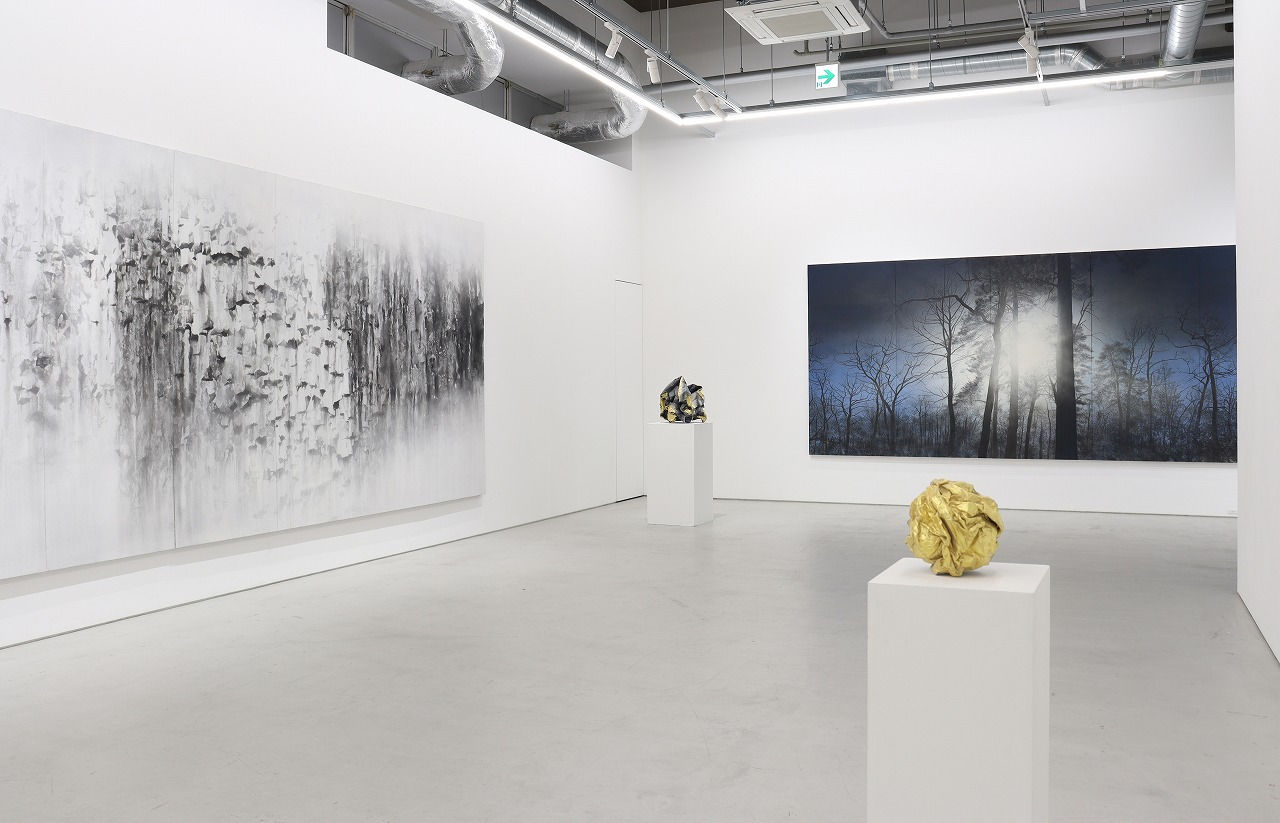
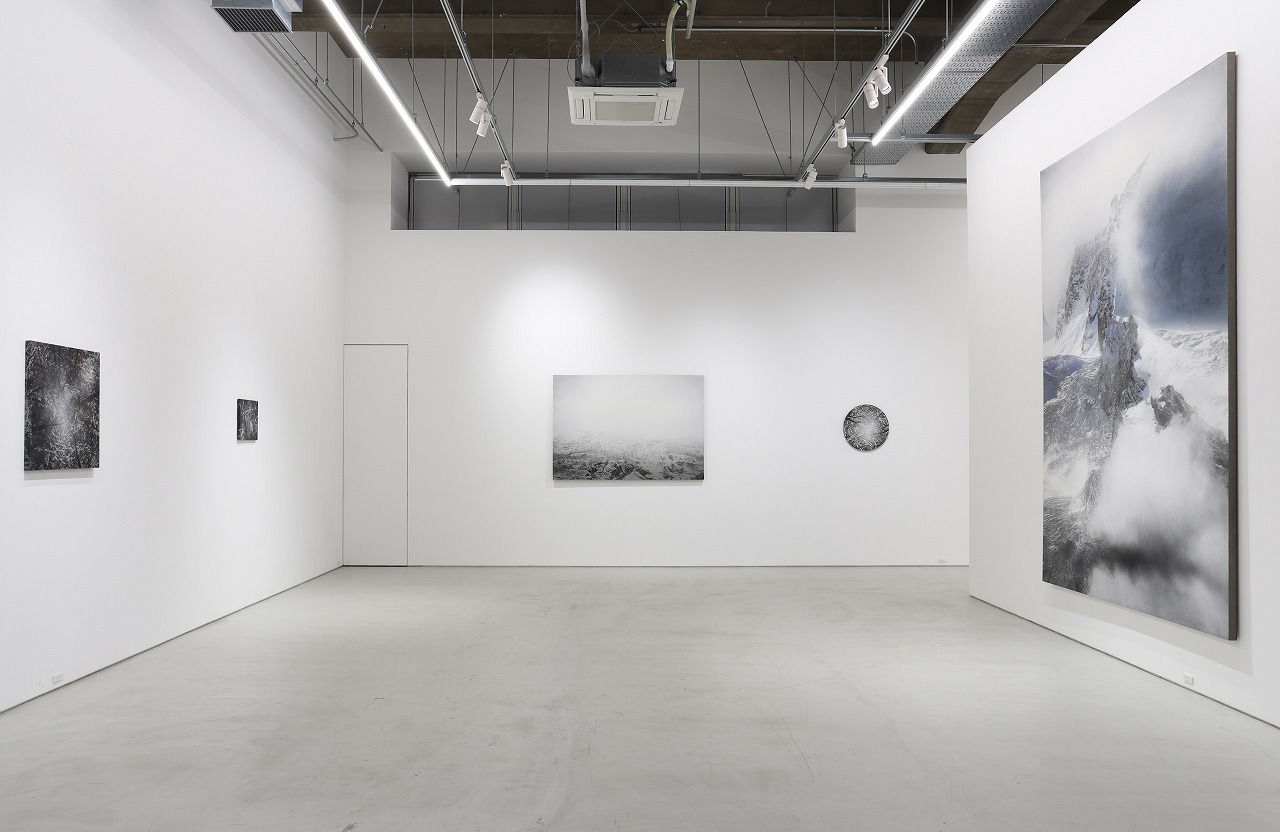
By depicting a world devoid of human or living traces—a “landscape of absence”—I wish to evoke scenes from before or after the era of humankind. This intention arose through encounters with overwhelming, even sublime landscapes during my fieldwork in places such as Italy, Switzerland, Norway, and Iceland. Why am I drawn to these primordial visions, stripped of plants, animals, or signs of human life? There was always an overwhelming sense of “absence.” Yet this perception exists only within my limited consciousness.
In reality, within the vast geological processes that shaped our planet, a barren landscape may once have held abundant flowing water (much like how we imagine Mars today), where animals roamed and human villages thrived. Or perhaps, after catastrophe, new life will emerge again tens of thousands of years into the future. The ability to imagine both past and future landscapes is a distinctly human trait.
Claude Lévi-Strauss wrote, “The world began without the human race and will end without it.” By traveling through not only space but also time on a scale far beyond human measure, we may come to recognize ourselves as beings who continually arise and vanish within a great cyclical flow—drifting through a single fleeting moment. In doing so, we may find a way to contemplate the future that lies ahead.
Through expressing “presence within absence”—the vast cycle of life and death embedded in absence—as a timeless landscape situated in the eternal present that predates the division of subject and object, I hope to cast new light on our contemporary world, prompting reflection upon our civilization and our current position within it.
If viewers can perceive the presences hidden within absence and feel the landscape of time expanding there, nothing would make me happier.
Akira Kugimachi


"Flom the Land of Men"
Art front gallery / Tokyo,Japan/ 2024
Feb. 2 (Fri) , 2024 - Feb. 25 (Sun)
Artist Statement
I have long pursued desolate, primordial landscapes. With a fascination reminiscent of science fiction films, I believed that viewing the world through landscapes devoid of human presence—grasping it as a configuration of time and space beyond human scale—might offer us some kind of insight today. Claude Lévi-Strauss once said, “The world began without man and will end without him,” and the so-called “landscapes of lost civilization”—as if captured by artificial satellites left behind after humanity’s extinction, or scenes from after humanity or before its emergence—seem to acquire a trans-temporal perspective that spans both past and future. At the same time, however, I felt there was a risk that such views could slide into a kind of misanthropy or distrust of humanity.
In Snow Falls on a Southern Island (1961) by Daisuke Katō, the author—also an actor—recounts his wartime experiences in which, amid hellish conditions of starvation and hopelessness, he sought to give soldiers a reason to live and encouragement by organizing a theatrical unit deep in the harsh jungles of Papua New Guinea and staging performances for them. As disease and hunger claimed lives one after another, it was customary to ask dying soldiers, “Is there anything you want?” One severely malnourished soldier reportedly answered, before his death, “I want to see snow.” Determined to make snow fall in a theatrical performance, the author spread the remaining white parachutes on the ground and shredded paper to let it fall like grains of sand, creating a snow scene. At the sight of it, three hundred soldiers fell silent for a moment, then without exception began to tremble and quietly sob. I was deeply shaken by the fact that, under such extreme conditions, people on the brink of death found hope and profound emotion simply by looking at a landscape.
In Wind, Sand and Stars (Terre des hommes) by Antoine de Saint-Exupéry, the author—himself a pilot pioneering early air routes in the twentieth century—depicts the astonishing nobility of spirit with which he survived a forced landing due to an accident, wandering the desert for three days at the edge of death before returning alive. This true story, set in circumstances of near starvation, describes how he is suddenly overwhelmed with emotion upon gazing at the star-filled sky above him, losing himself in awe. Through a dialogue with the landscape, he reflects upon and honors others beyond himself, pressing forward to his limits—an unreserved celebration of humanity. It is only by thinking of others, he suggests, that people can become strong.
In our contemporary era, often called the Anthropocene, we live immersed in cloud-like systems where uncertain information constantly drifts, while being tormented by a double anxiety: environmental destruction and global structures of division and conflict. The environment surrounding us has become unstable to the point that we can physically feel it. If we view human life—so confident that it understands the world—and the history of the Earth along a single timeline, and imagine the time since Earth’s formation as twelve hours, then the span from when humans first began using fire to the present amounts to only two seconds. Within those two seconds, how long have we truly lived without conflict and in peace? Perhaps no longer than the blink of an eye.
As newcomers to this planet, perhaps all that remains for us is to entrust ourselves once more to the landscape, to sense vast stretches of time, and to reclaim the simple position of merely gazing at it. And yet, if it is true that “only when the wind of the human spirit blows across the clay is the human being formed,” then there are moments when I feel that by looking at landscapes—and by walking within them—we may again be able to find a single ray of light within our own spirit.
Notes
-
Claude Lévi-Strauss, Tristes Tropiques
-
Antoine de Saint-Exupéry, Terre des hommes
Akira Kugimachi


